The Complete Guide to Commercial Wood Floor Maintenance
Why Commercial Wood Floors Need a Different Approach
Wood floors in commercial spaces face a level of abuse that residential floors never see. Heavy foot traffic, dropped equipment, rolling chairs, and daily spills are just the start. Over my years working with building managers and facility teams across London, I have seen what happens when a beautiful hardwood floor is treated like an afterthought. The difference between a floor that lasts twenty years and one that needs replacement in five often comes down to how well you handle commercial wood floor maintenance from the start.
Many people assume that a wood floor is a wood floor, and that the same cleaning routine used at home will work in a busy office or retail store. That assumption leads to trouble. Commercial spaces require a systematic approach that accounts for higher traffic, different types of wear, and the need to minimise disruption during working hours. If you manage a commercial property, understanding the basics of commercial wood floor maintenance can save you thousands in premature restoration costs.
Understanding Your Floor's Construction
Before you pick up a mop or choose a finish, you need to know what is under your feet. Solid hardwood planks from brands like Junkers or Dinesen behave differently than engineered boards with a thin veneer. The wear layer on a solid floor can be sanded and refinished multiple times. A thin veneer might only allow one or two light sandings before the substrate shows through. That difference dictates how aggressively you can maintain the surface.
I once consulted on a project where the facility manager had been using a rotary buffer with a heavy abrasive pad on a beautiful Junkers herringbone floor. The floor had a thick wear layer, but the buffer was burning the finish and creating uneven patches. Switching to a proper sanding machine with the right abrasive paper and a dustless system completely changed the outcome. The floor came back to life without losing any more material than necessary.
The Role of Finishes in Maintenance
The finish you choose sets the maintenance schedule for the life of the floor. Polyurethane finishes are tough and water resistant, making them a common choice for high traffic commercial areas. They form a plastic-like layer on top of the wood that can be recoated when it wears thin. On the downside, once a polyurethane finish starts to fail, it often peels or flakes, requiring a full strip and recoat.
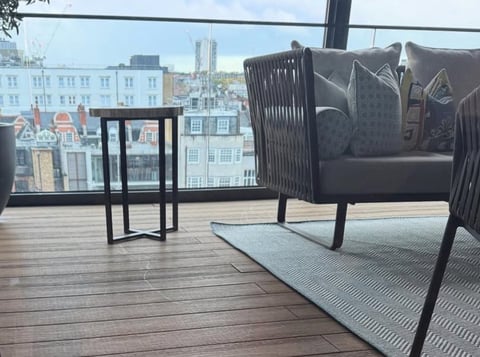
Hard wax oils, such as those from Osmo or Pallmann, penetrate the wood rather than sit on top. They leave a more natural look and feel, and spot repairs are easier because you can recoat a worn area without stripping the whole floor. However, hard wax oil finishes require more frequent maintenance. In a busy retail environment, you might need to apply a fresh coat every six to twelve months in the highest traffic lanes. I have specified Loba finishes for several London offices because they offer a middle ground: a durable waterborne finish that is easier to maintain than pure polyurethane but tougher than hard wax oil.
Daily and Weekly Routines
Most of what keeps a wood floor looking good is simple, consistent cleaning. You do not need expensive equipment. A good microfiber mop and a pH-neutral wood floor cleaner are your first line of defense. Dust and grit act like sandpaper underfoot. In a commercial setting, a doormat system at every entrance can trap up to 80 percent of the dirt before it hits the floor. That alone halves the wear on your finish coat.
For daily cleaning, dry mop with a microfiber cloth to pick up dust. Damp mop only when needed, and always wring the mop until it is barely damp. Excess moisture is the enemy of wood floors. It can raise the grain, warp planks, and cause mastic to fail in glued-down installations. I always advise using a moisture meter to check the floor's moisture content before and after cleaning, especially in spaces like cafes or gyms where spills happen often.
Dealing with High Traffic Zones
Every commercial floor has a pattern of wear. The path from the entrance to the reception desk, the corridor leading to the lifts, the area around a water cooler - these zones show wear first. The trick is to address them before the finish wears through to the bare wood. I recommend a rotating schedule where you apply a fresh coat of finish to high traffic areas every three to six months, depending on the level of site traffic.
If you use a hard wax oil like Osmo, you can simply clean the area, lightly sand with very fine abrasive paper, and apply a new thin coat. With polyurethane, you might need to scuff the existing finish and apply a new coat over the whole floor to avoid patchy gloss levels. In either case, acting early is cheaper than letting the wear layer get damaged.
When to Call in a Professional
There comes a point where daily cleaning and spot recoating are not enough. Deep scratches, worn-through finishes, and areas where the wood has started to discolour or cup indicate that the floor needs a full restoration. That is where a service like commercial wood floor maintenance from a specialist comes in. A professional crew will use industrial sanding machines with a dustless system to keep the work area clean. They will assess the floor, choose the right abrasive paper for the species and condition, and apply a new finish coat that matches the original look.
I have seen floors that looked beyond saving come back to life after a proper sand and recoat. A floor in a busy London pub had years of grime ground into the bevel edge between planks. The finish was gone in patches, and the wood was stained from spilled drinks. A professional restoration using Pallmann finishes and careful sanding brought the floor back to a condition that looked almost new. The owner said it changed the whole atmosphere of the pub.
Protecting Your Floor Between Restorations
Preventive measures extend the life of any finish. Felt pads under furniture legs, protective mats under office chairs, and area rugs in high traffic zones all reduce wear. In commercial kitchens or bar areas, mats that can handle spills and heavy foot traffic are essential. I also recommend a no-shoes policy in certain zones if the building layout allows it, or at least a good matting system at every entrance.
For floors that see heavy rolling loads, such as warehouses or retail stockrooms, consider a sacrificial layer of protective film or temporary floor covering in the most used aisles. It sounds extreme, but replacing a roll of protective film every six months is far cheaper than sanding down deep ruts in the wood.
Choosing the Right Products
The market is full of wood floor care products, but not all are suitable for commercial use. Bona has a range of commercial-grade cleaners and finishes that are widely used by professionals. Their products are designed to work with a dustless system and produce consistent results. Loba and Pallmann also offer systems that include everything from the abrasive paper to the finish coat, ensuring compatibility across the whole process.
I have used all three brands in different situations. For a floor that gets heavy traffic and needs to be cleaned with strong detergents, I lean toward Loba's two-component polyurethane finishes. They cure harder than single-component products and resist chemicals well. For a floor where the client wants a natural look and is willing to maintain it regularly, Osmo's hard wax oil gives a beautiful matte finish that feels warm underfoot.
The Cost of Neglect
I have been called to floors that were so far gone that the only option was replacement. In every case, the cost was many times what a proper commercial wood floor maintenance program would have cost over the same period. Neglect shows up in cupped boards, raised grain, finish failure, and even structural damage to the subfloor if moisture has been allowed to penetrate.
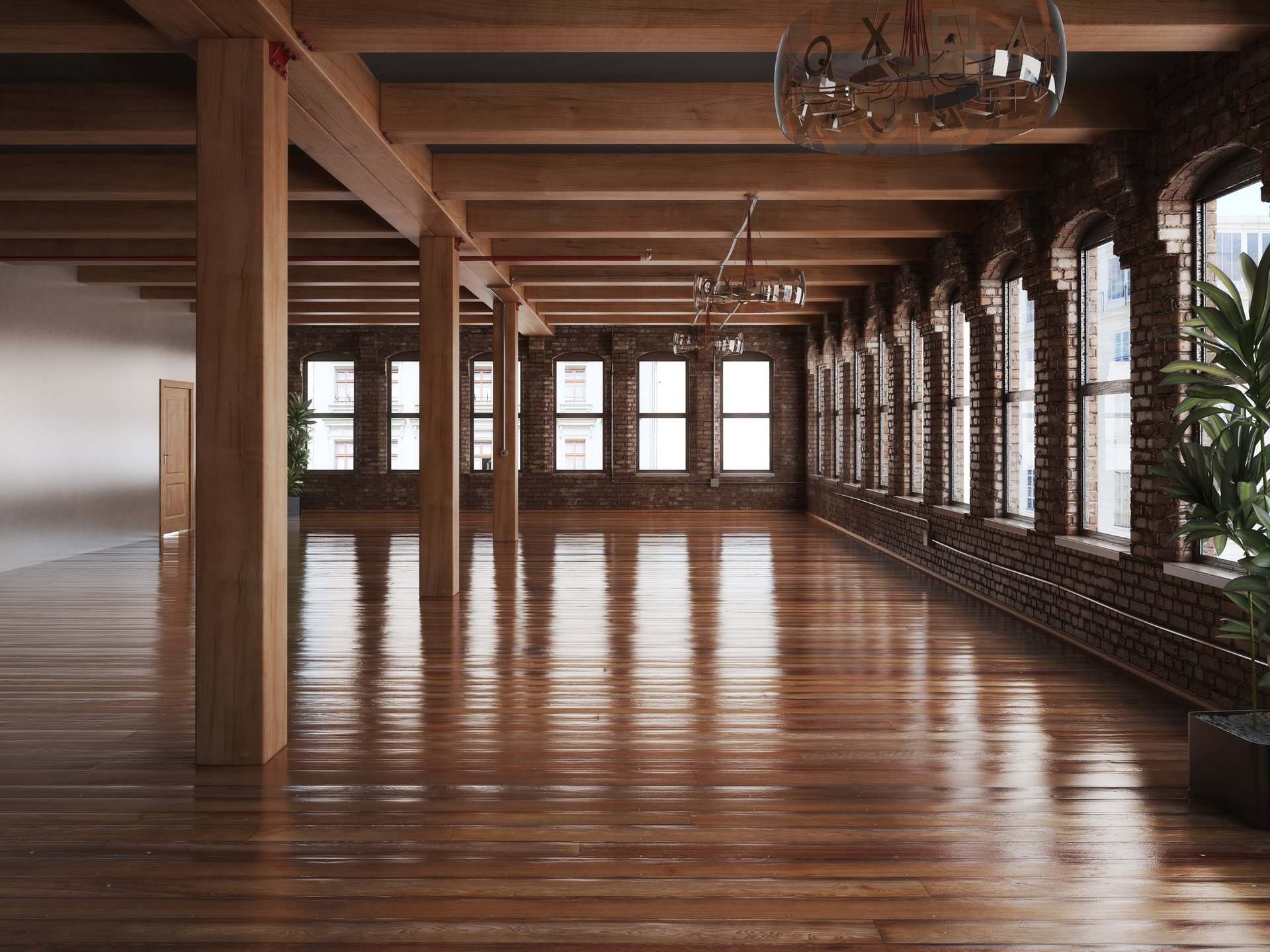
A good rule of thumb is to budget about one percent of the floor's replacement value per year for maintenance. That covers cleaning supplies, periodic recoating, and professional inspections. For a 200 square metre commercial floor, that might be a few hundred pounds a year - a fraction of the cost of replacement.
Final Thoughts
Commercial wood floor maintenance does not have to be complicated, but it does have to be consistent. Know your floor's construction, choose the right finish for your traffic level, clean daily with the right tools, and call in a professional before small problems become big ones. If you do those things, a wood floor can be one of the most durable and attractive surfaces in any commercial building.